
Practicing Radical Kindness is vital in raising the Fantastical. Radical Kindness extends to deeper work beyond pleasantries and niceties. When we host creative spaces with Radical Kindness at the heart of the work, we are prioritising agency and empowerment. We are fostering empathy and encouraging a deeper human connection through deep listening and seeing humans before we see the art process.
To raise the Fantastical through this gaze helps folk feel valued and acknowledges the intersectionality of the individual and the groups identity and it also promotes self care for the Artist hosting this space. I can only do my best work if I can maintain my own boundaries, respect my own identity and maintain my own wellbeing. This isn’t always easy.
So how do I do this?

Know my own Bias
I work from an understanding that everyone arrives with bias, conscious or unconscious. When I work with a certain group, I take the time to reflect on my own assumptions I have about this group. I read up on any data surrounding this group, search for any material that may capture lived experiences of this group or engage with training to help me understand their needs. This in itself challenges my bias and helps me make informed choices in the planning of this session. It helps me understand where our lived experiences may cross over whilst also respecting that there are differences between this. Raising the Fantastical at its heart is about cultivating play – knowing what topics may feel harder for both me and/ or the participants allows me to risk assess if this will support safe, joyful play. I also feel I should caveat that this learning before meeting participants, works simultaneously with actively listening to the people who are actually in the room.
Stick to Structure
It’s a two way street here. I will keep to the time, date, location and expectations but I also need to ensure that anyone I work with (participants or partners) will also do this. Things change – I get it and sometimes sticking to the structure is challenging, but maintaining this structure and declaring any changes up front with notice allows me to relax into the creativity as much as the participant.
Pay
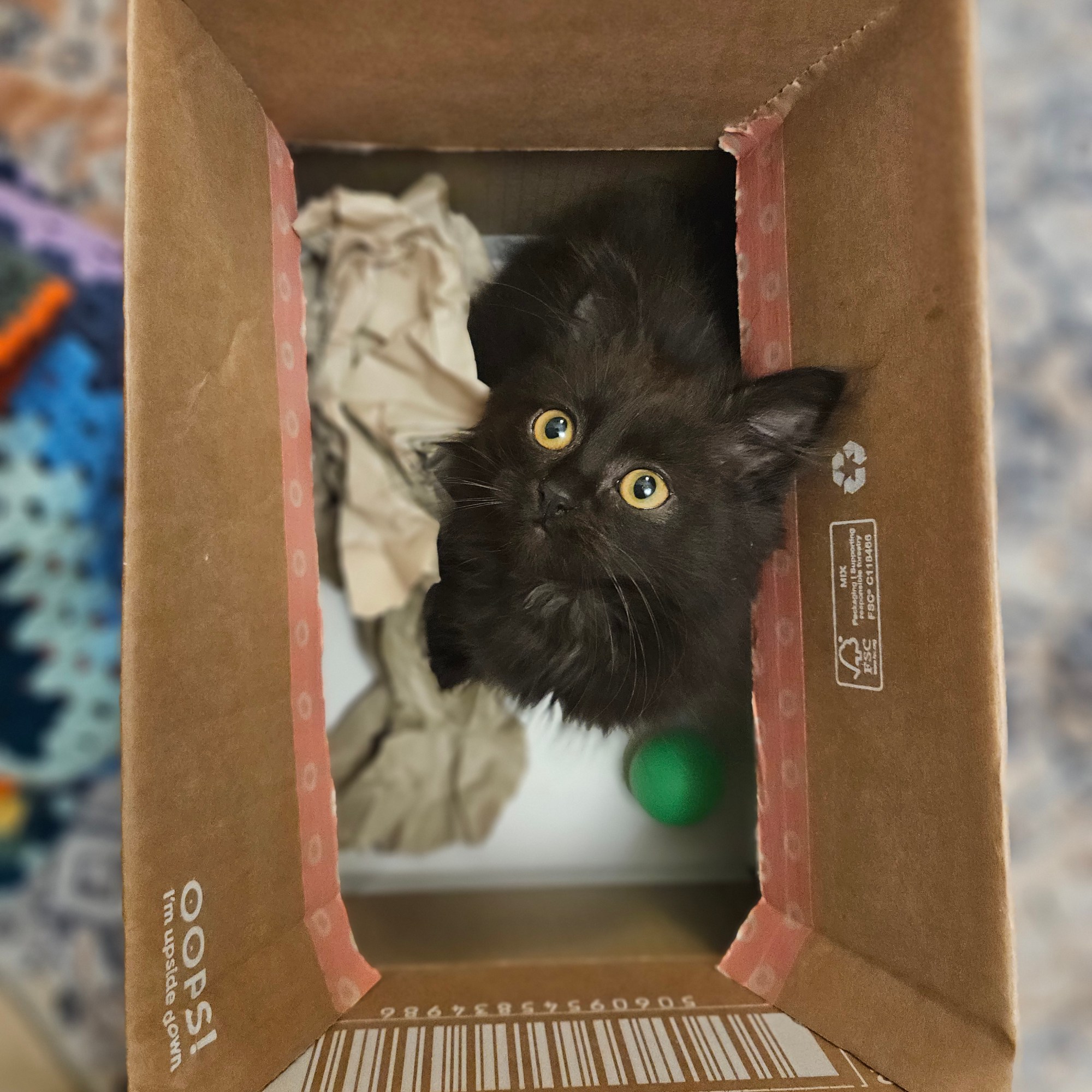
A much debated topic where it feels very hard sometimes to determine what our financial worth is but hey! There are unions that can help determine this. I am a human. I have bills to pay, food to buy, a car that needs petrol, children to care for and a lovely kitten too. Pay should be clear and if you don’t know how to price some work, ask. I’m looking to earn a fair wage appropriate to my level of skill, experience and time for the work carried out.
Peer Support
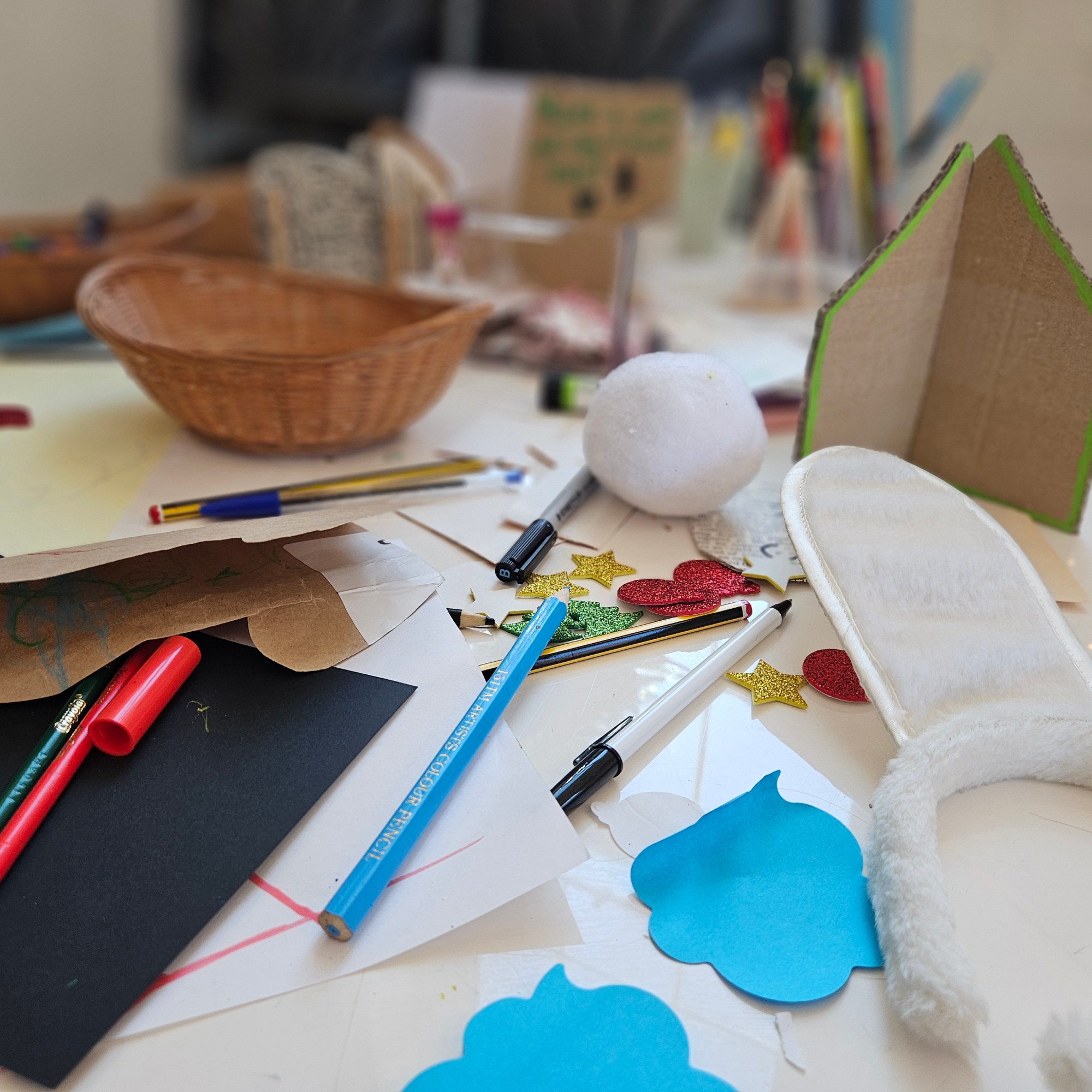
Sharing experiences (whilst respecting participants’ privacy) with fellow community artists is so important. We are all often busy rushing around from one job to the next but taking time to pause and reflect with those who work similarly to you really helps. This isn’t just about talking about the challenges, it’s also about sharing the triumphs too.
Rest
I know you know. I know I know but we have to say it – we must rest. I will not be able to maintain good professional standards if I am exhausted. I really struggle with stopping. Hyperfocus kicks in, my mind is flooded with thoughts, ideas and working with people with complex lives is humbling and the take home is higher. Rest for me looks like a meander outside taking notice of what’s around me, collecting shells or sticks, spending time in the woods or on a beach. Committing time to doing this regularly as part of a pattern of my week for a few hours is what makes me a reliable, flexible and kind worker.
What in the world…
Being informed about world events helps maintain standards and boundaries. What’s trending on social media? What’s being reported in the news? What isn’t being reported in the news? What’s happening locally or globally? How does that make me feel? How might it affect the culture in the room I work in? What algorithm am I stuck in? Self awareness of my context and acknowledging this supports good practice
Radical kindness towards myself is as important as radical kindness towards others. It is a pillar of my practice that helps to raise the fantastical.
You can read about one of the ways you can raise the fantastical here: Raise the Fantastical: How to start…
 Goodman