Categories
Books children Creativity Education Primary song Story Telling Workshops Writing

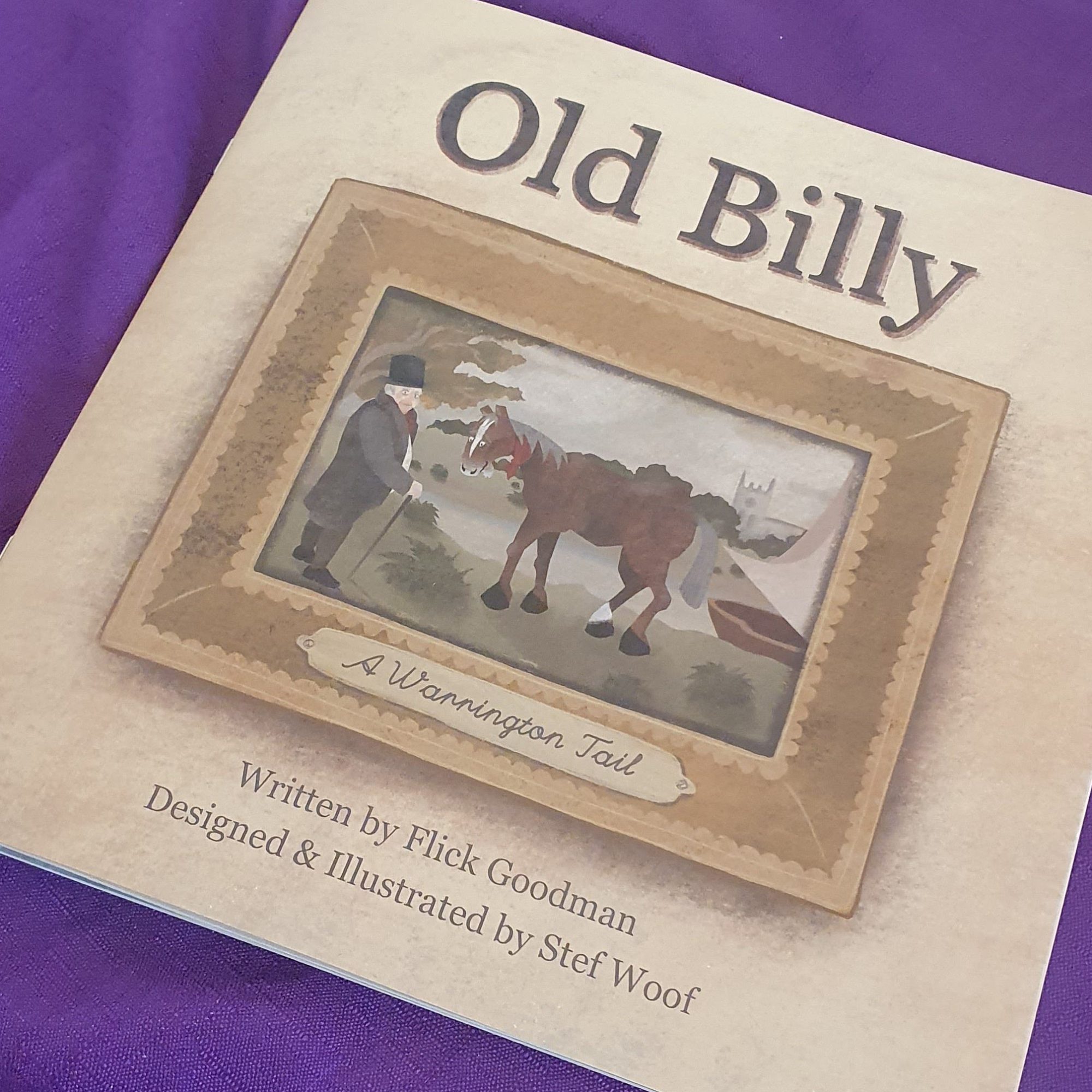
Old Billy, A Warrington Tail

Written by Flick Goodman, Illustrated by Stef Woof and Published by Culture Warrington

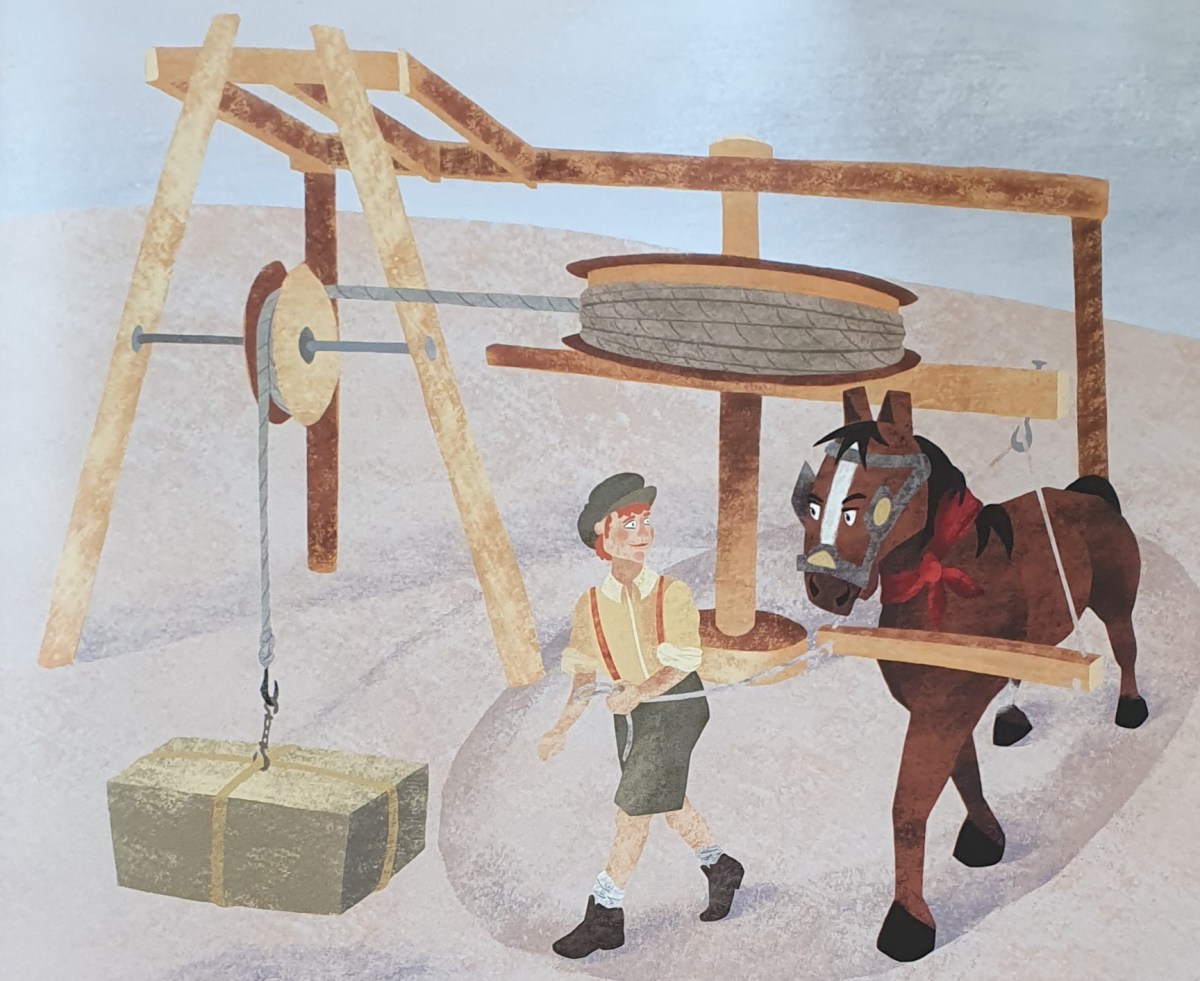
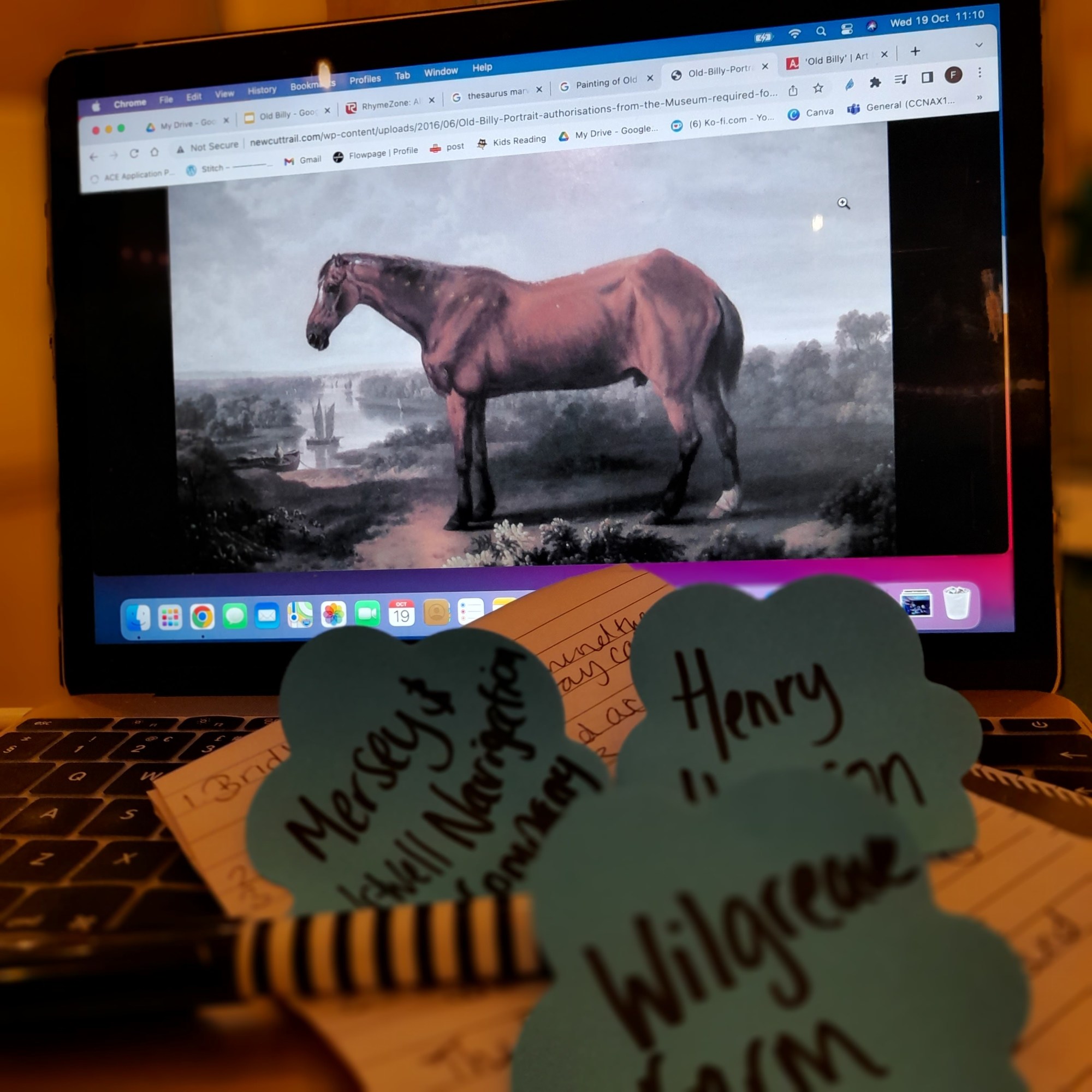
Old Billy is one of the great figures of Warrington history. Billy was born at Wilgreave Farm in Woolston in 1760 and died at Old Warps in Latchford in 1822. Old Billy is claimed by many people to have been the World’s oldest ever horse.

Working with the archives team at Culture Warrington, I wrote a ballad style poem inspired by the way that communities told stories during the Industrial Revolution. The words were then handed to Stef Woof, who beautifully illustrated the story.

Copies of the book can be purchased from Warrington Museum or borrowed from one of Warrington’s libraries. You can learn more about the life of Old Billy on the museum’s website

Old Billy Workshop

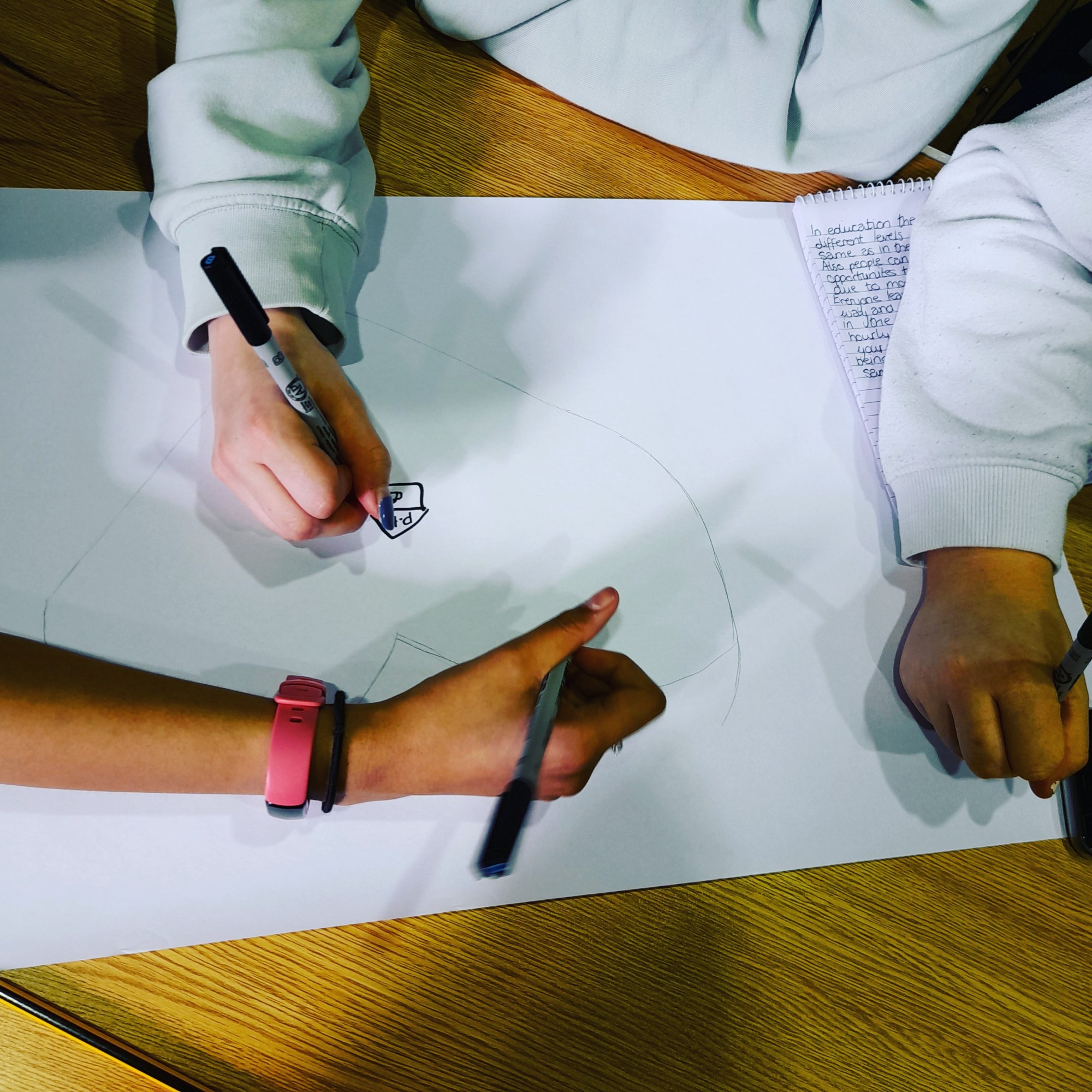
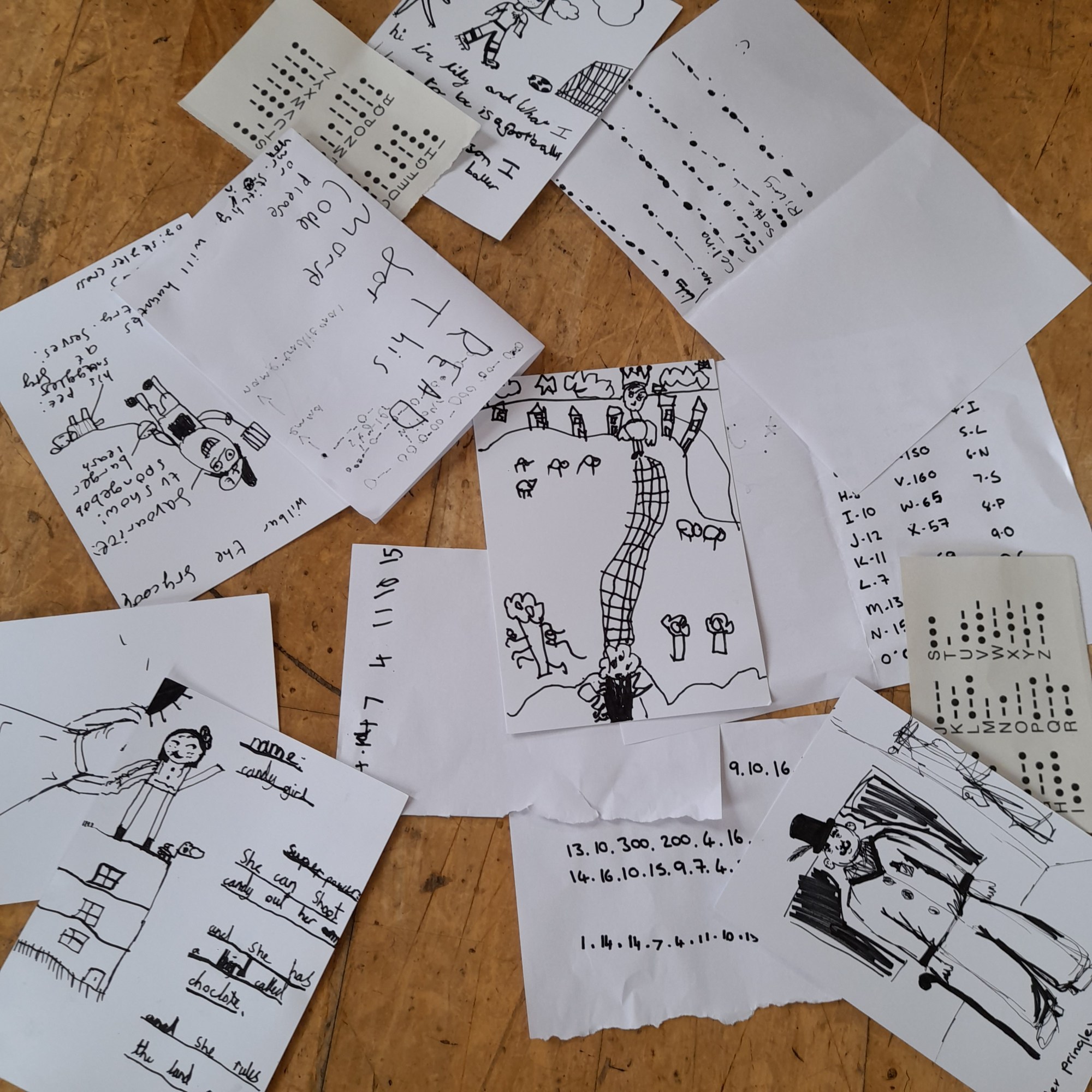
Inspired by Culture Warrington’s Old Billy, A Warrington Tail (Written by Flick Goodman and Illustrated by Stef Woof), this workshop will have children creating their own ballad inspired by the characters found in the pages of picture book. We’ll share facts from the Industrial Revolution along the River Mersey and find out why ballads were so important. Please get in touch, if you would like to find out more about this workshop.

Turning All Day by Flick Goodman and Year 2 Bewsey Lodge Primary School

Categories
Change children Creativity Discussions Family Listening Opinion SEND song stories Story Telling

Meteorite

Sometimes when you are looking for a story, you can’t find it and yet you can see the need for one everywhere you look.

I have a autistic daughter. The journey to understanding and supporting her has been relentless and remains ongoing. We are lucky she attends a brilliant school with an extremely humble, caring and conscientious SENDCo. Like many families with a SEND child, it has been hard and we have experienced the underfunding that everyone is talking about through a lack of provision of health services and the arms length distance we are held at when it comes to getting practical support and advice.

If you have slipped on the stairs, whilst holding your baby, you body reflexes take over. You pull the baby in close shielding them from the fall with your body as you back takes the bumps, the scratches, the carpet burn and the awful twists. That’s what this feels like. but where the fall is over in seconds, this goes on for years.

I have written this story to share a tiny window into our world. It’s always hard to share personal information about yourself, especially when it comes to your children. 

I hope that it builds better empathy to those who created the complex systems that we have to navigate for our children to have experiences in life that are meaningful and bring joy. 

I hope that it brings comfort and recognition to parents going through similar experiences and I hope that you know, that no matter how lonely or futile things can seem, you and your children matter. I’m going to keep telling myself that anyway.

Help us create an education system that works for everyone:
https://www.change.org/p/reform-the-send-education-in-the-uk

Categories
Change Creativity Education Family Primary Secondary song stories Story Telling Writing Young People

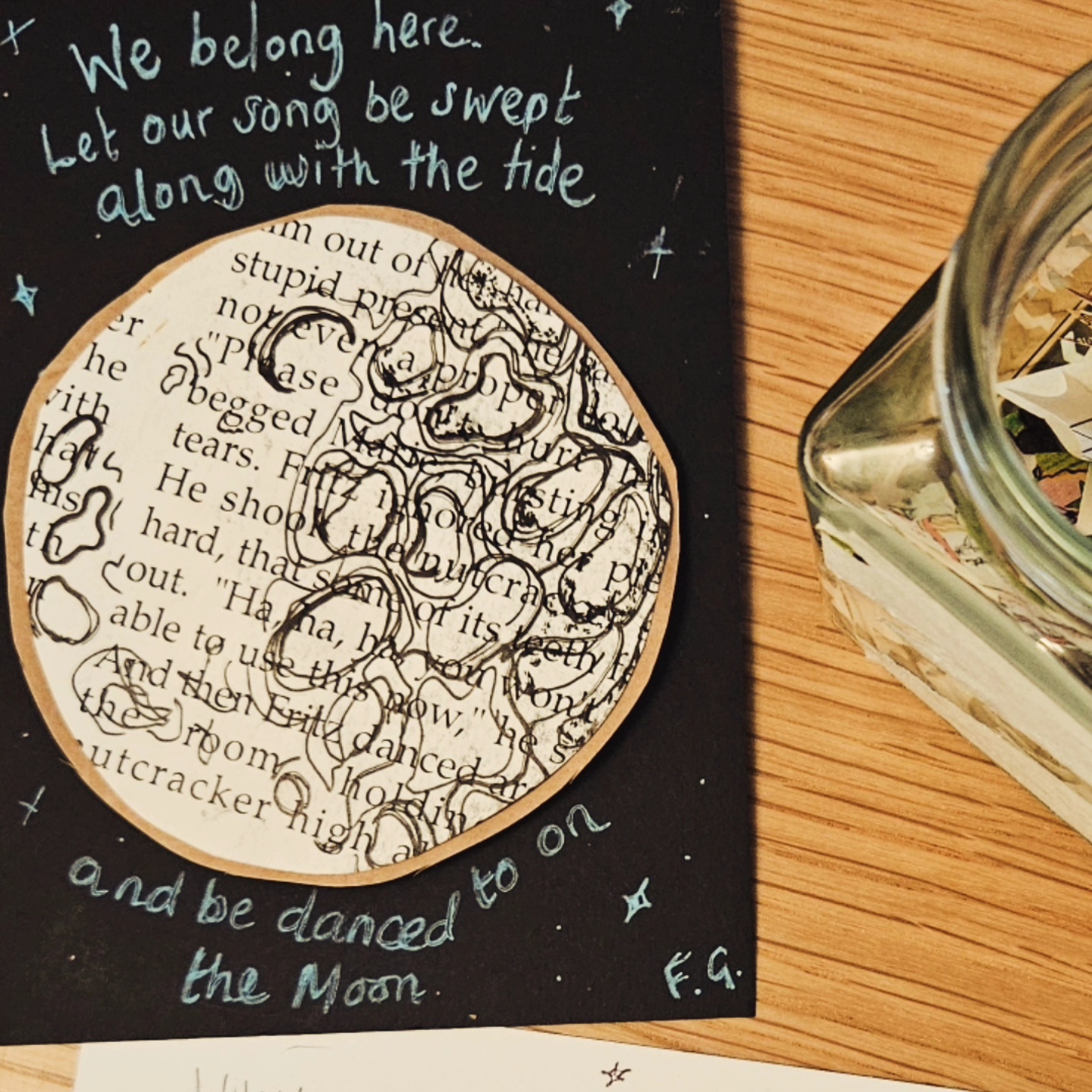
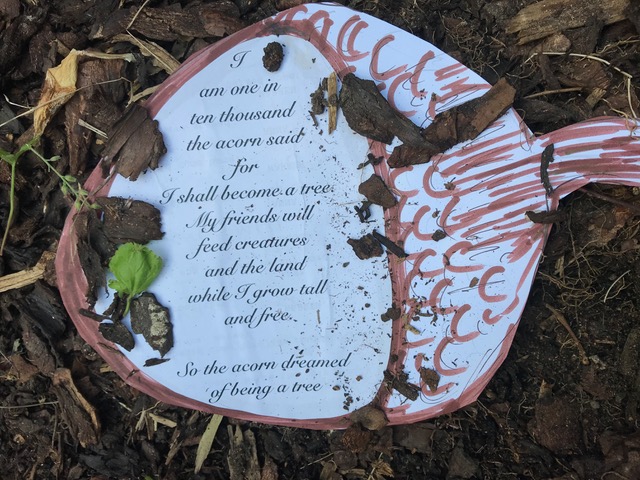
Belong- The Song of the Selkie’s Child

The Selkie’s Child can see that her mother is fading. She knows that she must free her.

What the hardest choice you have had to make?

When you father steals your mother’s seal skin, and you know the right thing is to let her go. The Selkie’s child comes to her mother and pledges to help her find her seal skin, even if it means losing her mother to the sea.

You can read my version of the Selkie story here.

A poetry workshop is available to book exploring identity, perception and conflict through folklore. You can read more about workshops here.

Categories
Change Creativity Discussions Family Listening Story Telling Workshops Writing

The Invisible Women

Peggy Seeger – The Invisible Woman

Watching Peggy Seeger’s singing, I hear the voice of the many older women who I am lucky to have in my life. I have been running creative writing workshops for Davenham Theatre and through Stitch. It really strikes me that the majority of participants are women who are over the age of 55. These workshops are open to anyone to come and yet we see these women loyally attend. They are grateful and positive and tell me that they get so much from the sessions.

But here is something that I think these women would struggle to accept from me. They have amazing insight, they care so deeply about the world they inhabit and their stories are beautifully compelling. It is a gift to spend a couple of hours with these women and listen to their thoughts. I have this amazing tribe that are now my friends.

One of the challenges that many writers face is the fear that anyone will find their work interesting or relevant, it is certainly something I feel at times. However this feeling is rife in this community of women and I think when you listen to Peggy Seeger singing, you can understand why.

Extract of Tell Me A Story of a Chair by Liz, a project by Stitch

My own mum told me that as she has got older, her visibility has dropped. That people pass her by without even seeing her. During the Covid Pandemic, we have all been locked away from each other, unable to meet up in public spaces. Those shielding even more so. We have collectively lost sight of many who are not in our immediate circles. The Invisible turned into memory.

As we emerge from this lockdown and Britain reopens its doors, let’s make sure we have room for everyone at the table. If you are an older woman who is feeling invisible, please tell your story. We need the grandmother’s wisdom now more than ever. If you are not an older woman, pull up a seat and look at ways to ask and listen. Let their stories inspire your story. You’ll feel richer as a result.

Lost Light by Denise for This Is Something That I know a project by Stitch
Categories
Change Discussions Family Workshops Writing

Missing

I am walking through a hall. A large hall, with high ceilings, pillars and archways. Everything is made of glass. The hall is full of glass statues. Some are of people I don’t know. Most are of people I do. Some I know really well, like my two friends from drama school. They’re sat next to each other on a bench. They are wrapped up in hats and gloves and scarfs. They are holding a takeaway coffee cup in their hands. Their heads are thrown back in laughter. There is a gap in the middle where I should sit, if I was made of glass, but I keep moving around the room.

Amongst these glass figures are people I have worked with. There is the little boy, who told me all about his pet dog in the last workshop I ran in February. Max, the dog was called. I remember how the boy’s eyes had sparkled as he talked about looking after Max. The statue’s eyes seem to sparkle too.

In the middle of the hall, is my brother and his wife. They are stood next to each other. They look like they are watching something in the distance. Maybe it’s their own dog, Biscuit. I pat my brother on the shoulder. He’s cold. Freezing. My fingers burn from the cold. That’s when I realise they aren’t made of glass. They are made of ice.

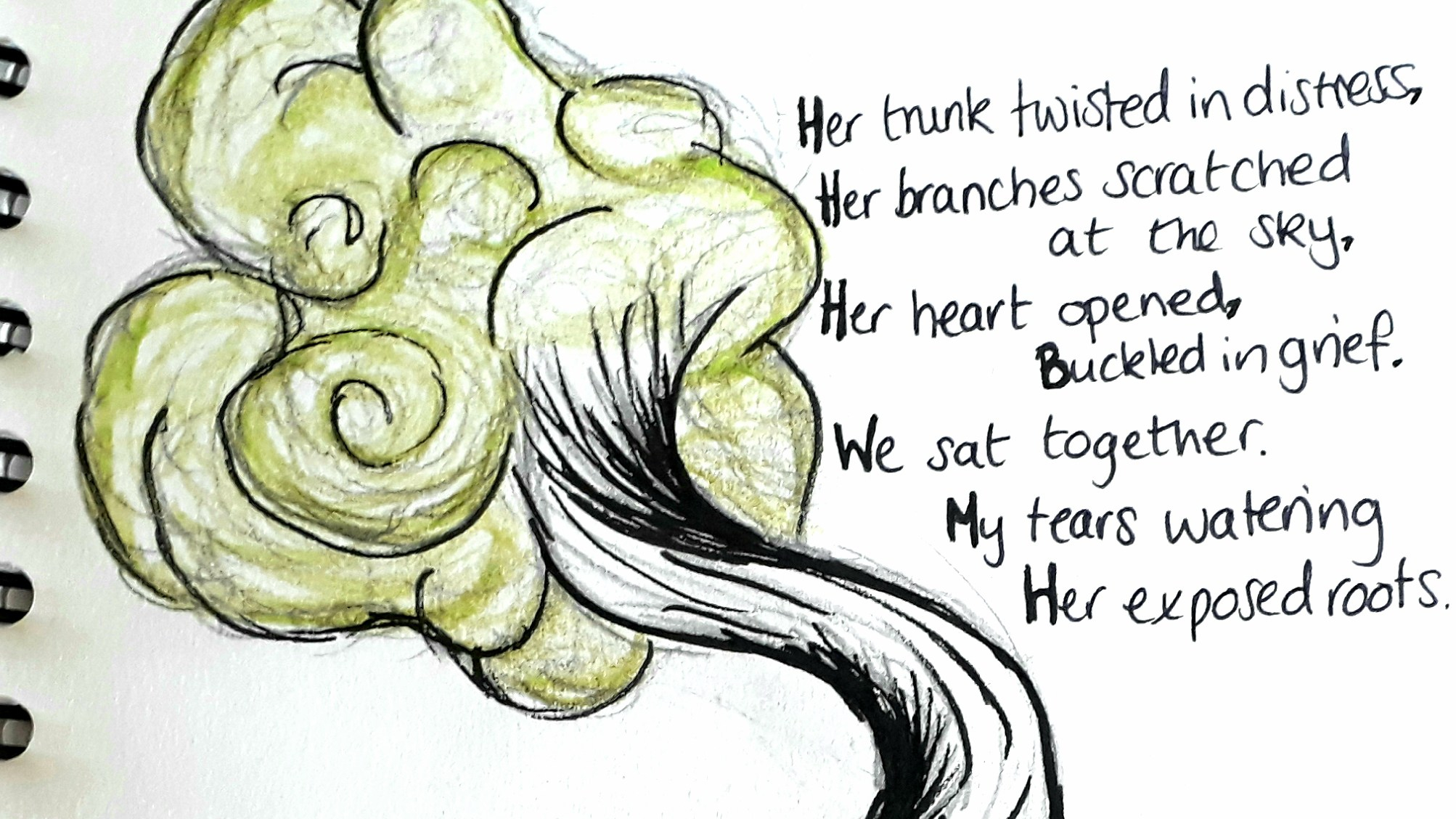
I stare at the frozen figures around the hall and realise they have the glisten of frost. I see that they are my relationships that are frozen. The relationships that don’t develop because of the time that I don’t have, the spaces that we cannot share. I become Demeter, waiting for my daughter to return, in a long, hard winter.

Spring will come and with it vaccinations. Those relationships will bloom with the crocus and daffodils. By the time we start planting out our seedlings, we can maybe hold space for one and other. I will be there. Waiting amongst the spring blossoms.

Demeter

The ground is hard

My footsteps create earthquakes.

My grief sends waves 

Down through the ground

Trying to reach you. 

My tears fall

Silently.

They kiss the grassy meadows

Where you once played

And turn into glistening frost.

You will return.

And so will I.

We will sit 

In the apple tree again

Creating blossom showers.

Waiting for the first 

Apple to ripen.

Categories
Change Creativity Discussions Listening Opinion Story Telling Uncategorized Writing

In the way of a good tale.

This time, more then ever we need stories. Many famous and more intelligent thinkers and writers than me say that after shelter, food and air we need stories. We need stories to listen to and we need stories to tell. But after numerous conversations with friends, peers, fellow artists and family I see a similar trait in behaviour and it’s linked to the way we tell stories.

“We don’t need a list of rights and wrongs, tables of dos and don’ts: we need books, time, and silence. Thou shalt not is soon forgotten, but Once upon a time lasts forever.”

― Philip Pullman

‘I know how lucky I am compared to others…’ is a mantra that is rolled off the tongue repeatedly. I hear it so often, as often as tales begin with “Once upon a time…”. However where “Once upon a time” leads to a story, “I know how lucky I am compared to others” is the completion of a story that hasn’t even been uttered. Now don’t get me wrong, of course we are lucky compared to others and during this difficult time, we need to count our good fortunes and appreciate what we do have. Gratitude is important. Good fortune can keep us healthy and secure. There are plenty of tales of characters losing everything through a lack of appreciation – like this one.

“I know how lucky I am” has become a sneaky silencer of our conflicts and our stories. But it doesn’t need to be. Your stories matter. Hearing the stories of our friends, colleagues and family (the good, the bad and the ugly) will combat the other dominant force in our lives currently – Loneliness. By denying the stories that you need to tell, you are denying your humanity. Many of us would be horrified to find out that we had been silencing the voice of others, and yet we think nothing of silencing ourselves.

I am currently, furiously, painfully trying to tell the story of my great grandparents. They died in the Spanish Flu pandemic of 1918. This has involved a lot of connecting dots through research using ancestry websites and it has been a background project for about 8 months. I have discovered so many wonderful things about them, things that none of us knew. But I have to guess at what they think and feel.

I would have loved to have found letters and diary entries that they had written, I would have loved to have stories told down through time, so much so that the way the stories were told is a story in themselves. But I do not. For many reasons this is not available.

So I want you to imagine, that 100 years from now, your great grandchild is trying to understand how you felt about the time you live in. What would you want them to know? And if you’re not sure where to begin, what questions would you ask your ancestors who lived 100 years ago?

You could write these questions down and you could answer for your time. You could or you could not. Or you could tell your story to the audience that you currently have, the audience who are invested in you now. Your friends, your colleagues, your family.

So instead of using “I know how lucky I am compared with others”, try “Today, I felt…” because we want to, need to hear your stories, even if your voice shakes.

Categories
Change Creativity Discussions Listening Opinion Story Telling

Why we should all explore traditional tales….

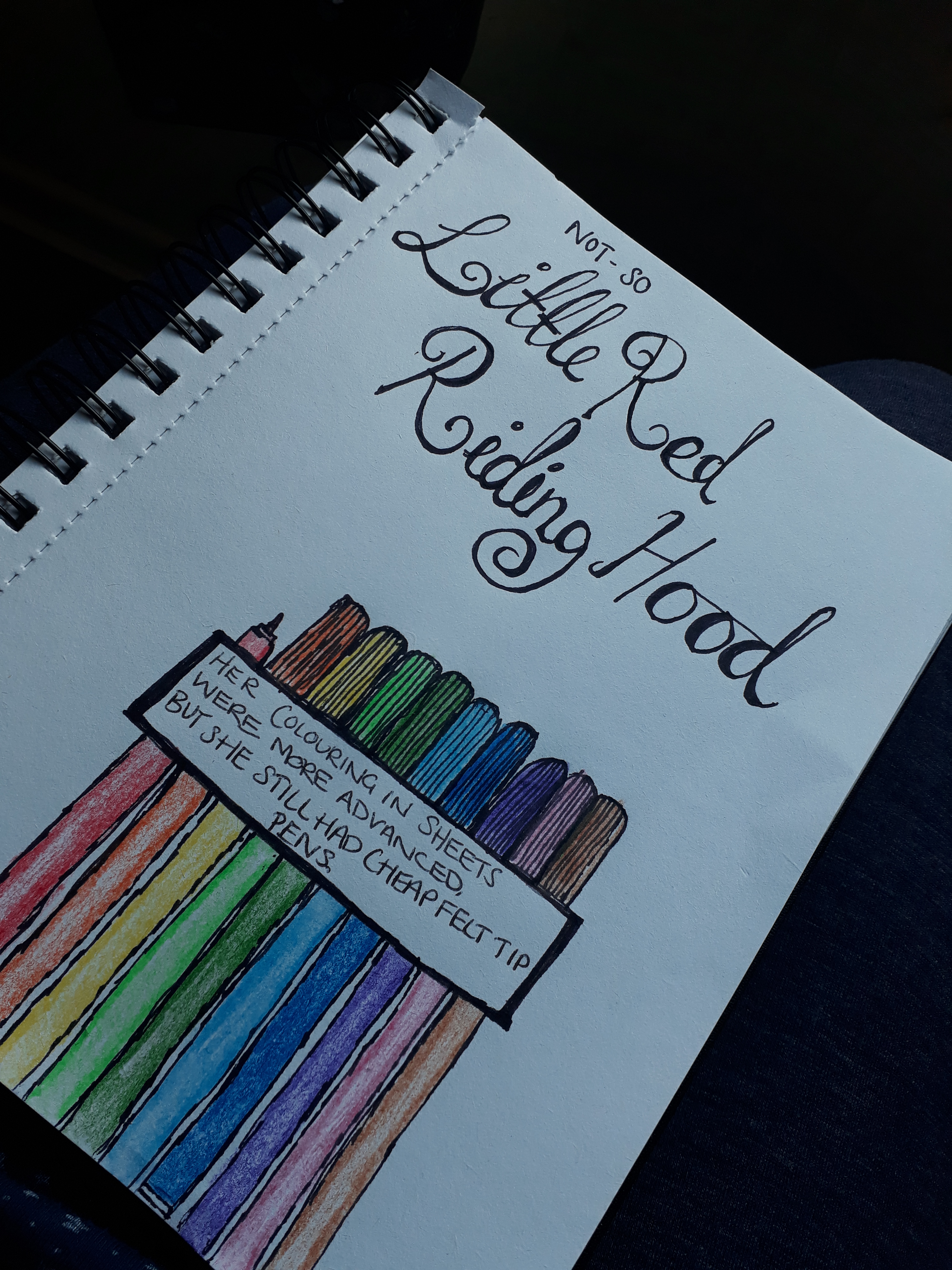
Little Red Riding is a shocking tale. It’s more than the simplified children’s tale of doing what your told (Sticking to the path) and not talking to strangers (the Big, Bad Wolf). We think of all of the Grimm tales and their counterparts as being for children.


20180321_090543
(Not So) Little Red Riding Hood, read on here…

The original name of the Collection was Kinder- und Hausmärchen (Children and Household Tales.) We as modern audience focus on the side of the tales that are for children, but what about the ‘Household’ part of the collection?

When I get asked, as a Storyteller, what content I would perform for adults, I see a lot of nose wrinkling when I say traditional tales like you would find within the collections of Grimm Brother’s, Charles Perrault, Giambattista Basile.

Many of these collectors and writers including Hans Christians Anderson, had not purposely written or recorded their work for audiences made up solely of children. If you read the Juniper Tree from Brother’s Grimm, you are faced with a tale of murder, deceit, cannibalism and children being horribly manipulated alongside a magic tree, a bartering bird, and a little girl. These traditional tales can be (and should be) adjusted to the audience that are listening to them. Often though the tales are heavily diluted into sweet bedtime tales and a patronising delivery of “And the moral of the story is….”

20180221_172733
Marleenken, from The Box collection based on The Juniper Tree

Storytelling is a gateway into literacy (more on this is another blog), if we cheapen the tales in this way, it is no wonder no one can be bothered to sit down and orally share tales. We all love telling anecdotes, we are all storytellers, so why not take these tales and use them as a tool to unpick our modern life.

Cinderella is a tale of slavery. Worldwide, it’s estimated that there are 4.5 million victims of sex trafficking. Beauty and the Beast a tale of imprisoning a young woman. The Beast can be found in the likes of Ariel Castro and Josef Fritzl. The Elves and the shoemaker tells a story if helping those most in need. We need these stories to help us connect into the world we live in.

These stories could be serving as much now, as when they were originally bought into the public consciousness, as they have throughout the whole history of humankind.